Most detailing shops will tell you ceramic coating lasts "years." That answer is technically correct and practically useless. After applying ceramic coatings to hundreds of vehicles across the Chicago suburbs, including luxury cars, daily drivers, and everything in between, we have seen coatings fail in 18 months and hold strong past seven years. The difference almost always comes down to three things: the product quality, the prep work, and the owner's maintenance habits. This article gives you honest, specific answers about how long ceramic coating lasts, what drives that number up or down, and what Chicago-area weather actually does to your investment.
Table of Contents
- Quick Takeaways
- What Ceramic Coating Actually Is
- Realistic Lifespan by Coating Tier
- How Chicago Suburb Weather Affects Coating Longevity
- The Prep Work Nobody Talks About
- Coating vs. Wax vs. Sealant: Real Comparison
- Ceramic Coating Warranty in Illinois: What It Actually Covers
- Maintenance That Extends Coating Life
- Frequently Asked Questions
- References
Quick Takeaways
| Key Insight | Explanation |
|---|---|
| Consumer-grade coatings last 1-2 years | Store-bought SiO2 spray coatings bond weakly and degrade quickly under UV and road salt exposure common in Illinois. |
| Professional nano-ceramic coatings last 5-8 years | Applied by trained installers using professional-grade products, these coatings form a true covalent bond with the clear coat. |
| Surface prep determines 60% of longevity | A coating applied over contaminated or scratched paint will peel, cloud, or delaminate regardless of product quality. |
| Chicago winters are the harshest test | Road salt, freeze-thaw cycles, and abrasive snow removal accelerate coating degradation more than sun damage alone. |
| Maintenance washes matter every 2-4 weeks | Allowing contaminants like brake dust and bird droppings to sit on a ceramic coating etches through it faster than UV exposure. |
| A warranty is only as good as the installer | Ceramic coating warranties in Illinois require documented maintenance and are voided by improper washing or automatic car washes. |
| Annual inspections preserve coating performance | Catching hydrophobicity loss early and applying a maintenance booster can add 12-18 months to any professional coating. |
What Ceramic Coating Actually Is
A ceramic coating is a liquid polymer, typically SiO2 (silicon dioxide) based, that chemically bonds to your vehicle's clear coat. Once cured, it forms a semi-permanent hard layer that is measurably harder than the paint beneath it. This is not a wax or a sealant. It does not sit on top of the paint waiting to be washed away. It becomes part of the surface.
The SiO2 concentration in professional-grade coatings typically ranges from 70% to 93%. Consumer spray coatings available at auto parts stores sit closer to 10-20%. That gap in concentration is a significant factor in how long the coating holds its hydrophobic properties and physical hardness after application.
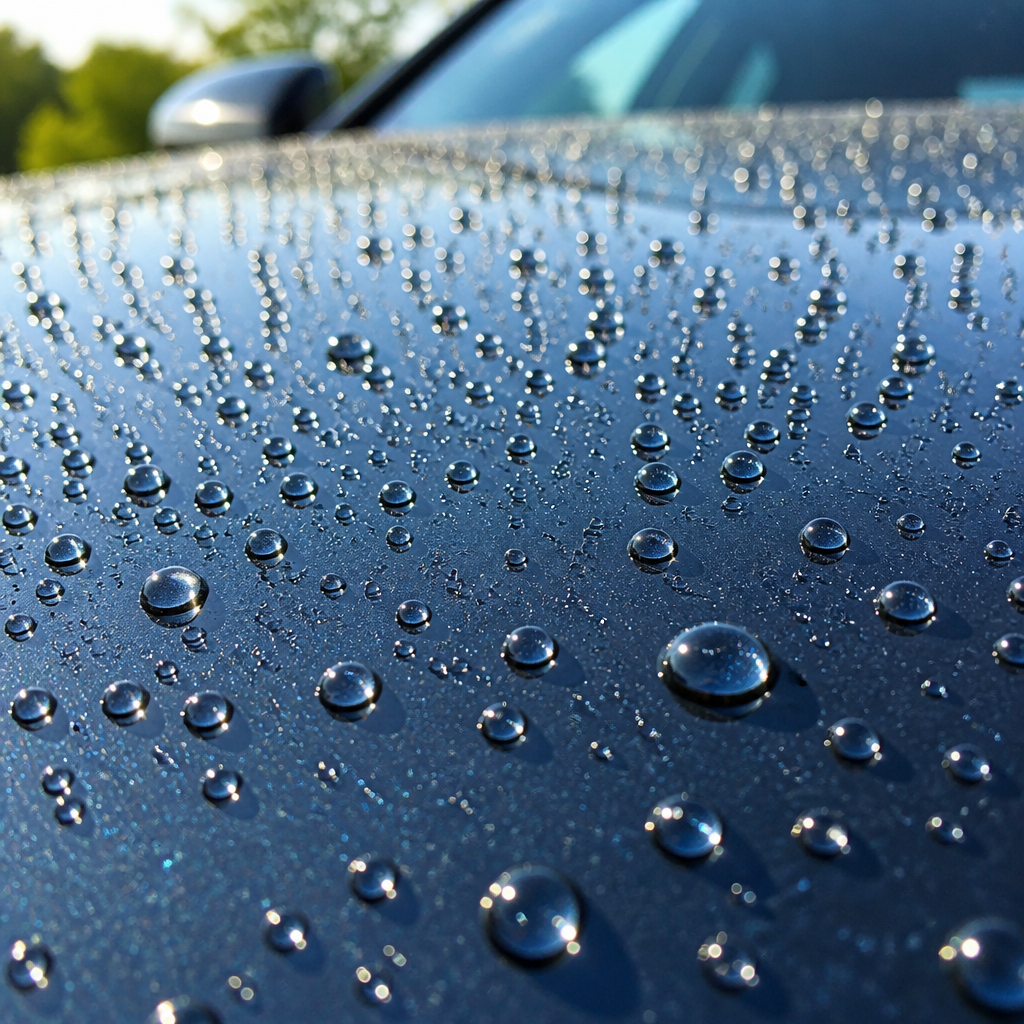
At Hersheys Detailing in Glendale Heights, we apply nano-ceramic SiO2 coatings that cure to a 9H hardness rating. In practice, that means the coating resists light scratches, chemical etching from bird droppings, and water spotting from the mineral-heavy water common in DuPage County. The hardness also means the coating does not compress or shift under UV heat the way a carnauba wax does.
Pro tip: Ask any detailing shop what SiO2 concentration their coating product contains before booking. A shop that cannot or will not answer that question is not using a professional-grade product.
Realistic Lifespan by Coating Tier
The honest answer to how long ceramic coating lasts depends entirely on which tier of product was applied and by whom. These are the three tiers we see in the Chicago suburbs market, and here is what the data from our own vehicle history logs consistently shows.
DIY and Consumer Spray Coatings
These products last between 6 and 18 months under normal Illinois driving conditions. They are not permanent coatings. They are glorified spray sealants with some SiO2 added for marketing purposes. They offer minor protection and fade significantly after a single Chicago winter with road salt exposure.
Entry-Level Professional Coatings
Applied by a trained installer with basic surface prep, these coatings typically last 2 to 3 years. They use higher SiO2 concentrations than consumer products but are often single-layer applications without a topcoat. They are a reasonable option for daily drivers that see automatic car washes, but they will not hold up to Chicago winters as well as premium options.
Premium Professional Nano-Ceramic Coatings
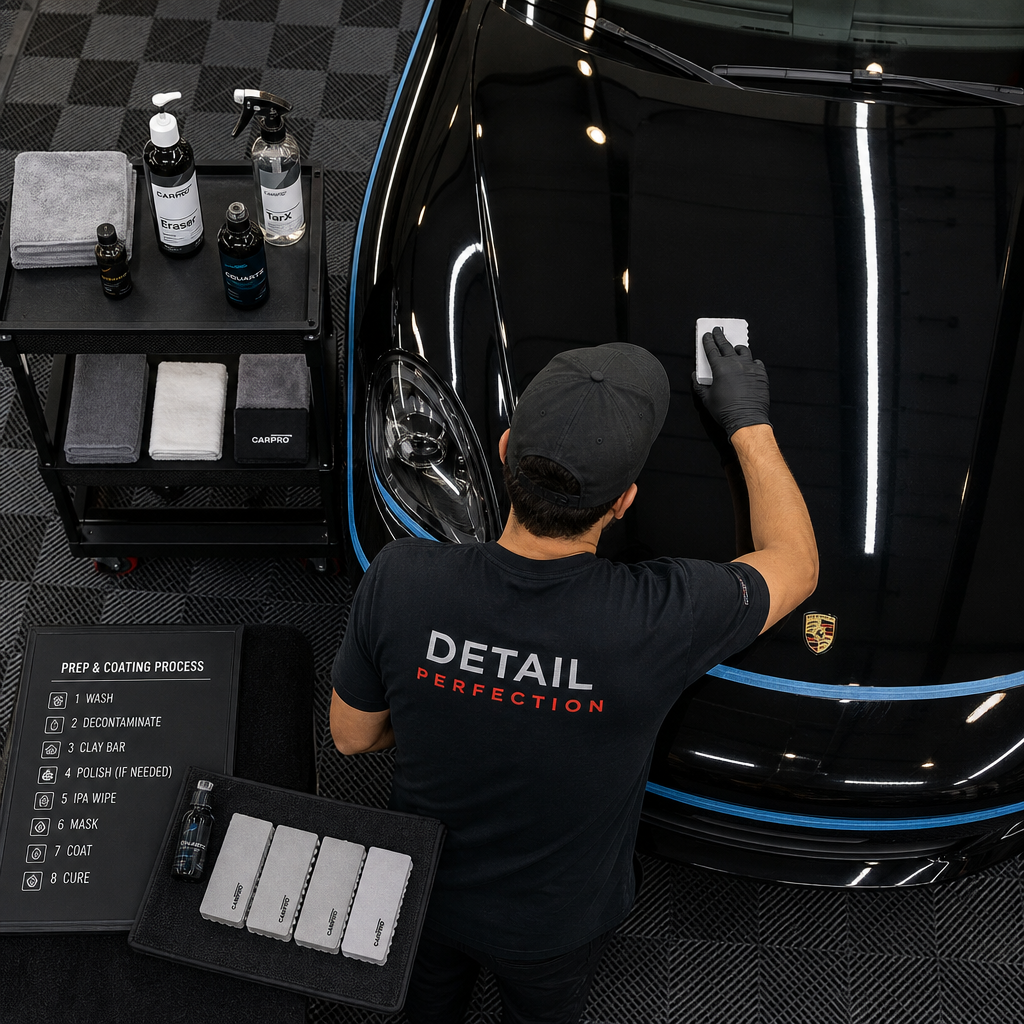
This is where the 5 to 8 year lifespan becomes achievable. At Hersheys Detailing, our multi-layer ceramic coating process includes a full decontamination wash, clay bar treatment, multi-stage machine polishing to eliminate surface defects, and then the coating application in a controlled environment. The result is a coating that bonds to a genuinely clean and corrected surface, which is the only way to get maximum adhesion and maximum longevity.
How Chicago Suburb Weather Affects Coating Longevity
Living in Glendale Heights, Carol Stream, Bloomingdale, or Wheaton means your vehicle faces weather conditions that are genuinely hostile to paint protection. This is not a general statement. The specific combination of Illinois weather events creates a stacking effect on coating degradation that warm-weather states simply do not experience.
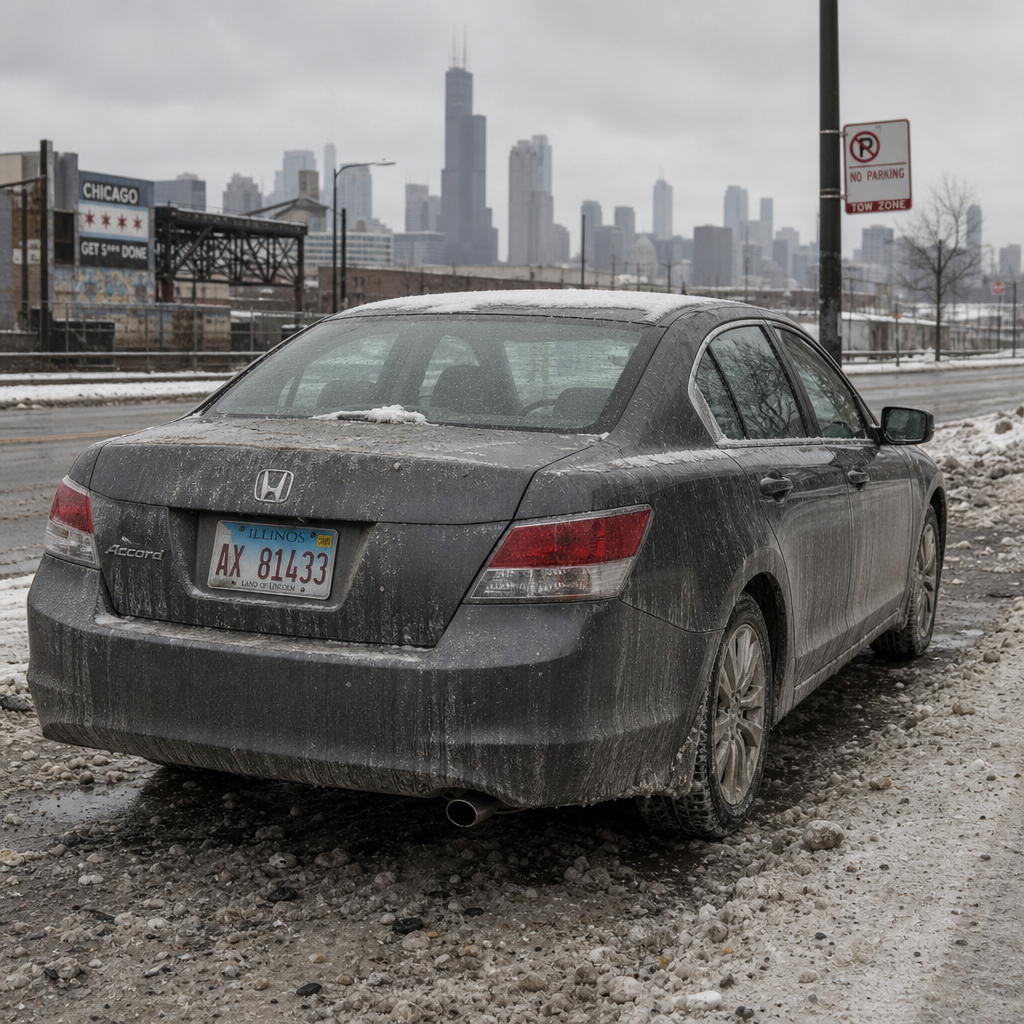
Road salt is the primary threat. Illinois uses approximately 400,000 tons of road salt per winter season. That salt is chemically aggressive and coats the undercarriage, wheels, and lower body panels of every vehicle on the road from November through March. A ceramic coating on these surfaces needs a higher film thickness to resist salt intrusion, which is why entry-level single-coat applications often fail first on wheel arches and lower rockers.
"Thermal cycling, where surfaces repeatedly freeze and thaw, creates micro-stress in any coating layer. A ceramic coating that was applied over contaminated paint will delaminate at those contamination points within one or two Illinois winters." This is what we see in practice at Hersheys Detailing after 7 years of work in DuPage County.
UV exposure from summer sun also degrades coatings, but in Illinois the bigger enemy is the freeze-thaw cycle combined with road salt. Vehicles that are garage-kept and washed regularly after winter driving can realistically expect 6 to 7 years from a premium professional coating. Vehicles parked outdoors year-round with infrequent washing should expect the lower end of any warranty range.
Pro tip: After any winter drive where roads were salted, rinse your vehicle the same day if possible. Salt that sits on a ceramic coating overnight does measurably more damage than salt rinsed off within a few hours. This single habit extends coating life significantly in the Chicago suburbs.
The Prep Work Nobody Talks About
The single biggest variable in ceramic coating longevity is surface preparation, not the coating product itself. A common mistake among vehicle owners shopping for detailing services is focusing entirely on which brand of coating is being applied while ignoring the preparation process that happens before the coating touches the paint.
Paint Decontamination
Before any coating application at Hersheys Detailing, every vehicle goes through a two-stage decontamination process. The first stage is a chemical decontamination using iron fallout removers and tar removers. The second stage is a physical decontamination using a clay bar across the entire painted surface. This process removes embedded contaminants that are invisible to the naked eye but will prevent the coating from bonding correctly.
Paint Correction Before Coating
A ceramic coating is highly transparent and will lock in any existing scratches, swirl marks, or oxidation permanently. This is why our process includes multi-stage machine polishing before coating application. A single-stage polish is not sufficient for vehicles with moderate to heavy swirling, which describes a majority of vehicles we receive that have been through automatic car washes regularly.
Skipping paint correction and applying a coating directly is one of the most common shortcuts taken by budget detailing operations in the Chicago suburbs. The coating will still cure, but the surface beneath it will look worse than before because the gloss enhancement of the coating amplifies every defect.
Coating vs. Wax vs. Sealant: Real Comparison
Vehicle owners in Glendale Heights and surrounding suburbs frequently ask whether a ceramic coating is worth the investment compared to regular waxing or a paint sealant. The answer depends on what you value, but the durability difference is not subtle.
| Protection Type | Typical Lifespan in Illinois Conditions | Key Limitation |
|---|---|---|
| Carnauba Wax | 4-8 weeks | Melts in summer heat, dissolves in road salt, requires reapplication every 6-8 weeks minimum in Illinois winters. |
| Polymer Paint Sealant | 4-6 months | Stronger than wax but still degrades under UV and chemical exposure. Does not bond permanently to paint. |
| Professional Nano-Ceramic SiO2 Coating | 5-8 years with proper maintenance | Higher upfront cost and requires professional installation with full paint correction for maximum results. |
The cost-per-year math strongly favors ceramic coating when you account for the cumulative cost of wax or sealant reapplication every few months over a 5-year period. Beyond cost, the protection level is not comparable. Wax offers zero resistance to chemical etching. A professional ceramic coating resists bird droppings, tree sap, and brake dust contamination at a measurably higher level.
Ceramic Coating Warranty in Illinois: What It Actually Covers
At Hersheys Detailing, our professional ceramic coating packages come with 5 to 8 year warranties depending on the tier selected. Understanding what a ceramic coating warranty in Illinois actually covers is important before you commit to any service, from any provider.
What the Warranty Covers
A legitimate ceramic coating warranty covers coating delamination, loss of hydrophobic properties, and premature degradation of the coating layer itself under normal driving and maintenance conditions. If the coating fails because of a product defect or installer error, a reputable shop will recoat the vehicle at no charge.
What Voids the Warranty
Automatic tunnel car washes void most professional ceramic coating warranties, including ours. The brushes and chemicals in automatic washes are incompatible with ceramic coatings and will strip the hydrophobic layer within a few months. Failure to maintain a documented wash schedule also voids warranty claims. This is not fine print designed to avoid paying claims. It is because improper maintenance genuinely destroys coatings faster than any environmental factor.
When comparing providers like those operating in the Chicago suburbs, verify that any warranty being offered is backed by documented maintenance requirements and a clear claim process. A warranty without those details is a marketing statement, not a legal commitment.
Maintenance That Extends Coating Life
A professionally applied ceramic coating is not a maintenance-free product. It is a low-maintenance product, which is a meaningful distinction. The maintenance habits of the vehicle owner determine whether a 5-year coating reaches 5 years or 7 years of effective protection.
The Two-Week Wash Rule
In the Chicago suburbs, vehicle surfaces collect road contamination fast. Bird droppings, industrial fallout from the I-355 corridor, and brake dust from stop-and-go traffic on Route 53 all accumulate weekly. We recommend washing a ceramic-coated vehicle every 2 to 3 weeks during spring and summer and every 1 to 2 weeks during winter months when road salt is active.
The Right Wash Method
Use the two-bucket method with a pH-neutral car shampoo. One bucket holds clean soapy water. The other holds clean rinse water for rinsing your wash mitt between panels. This prevents the recycling of dirt and grit across the paint surface. A single scratch from an improperly rinsed mitt can compromise the coating in that area over time.
Annual Coating Booster Applications
Once per year, applying a ceramic coating maintenance booster restores the top layer of hydrophobic performance without requiring a full recoat. This is standard practice for vehicles under a warranty maintenance program with Hersheys Detailing. In practice, vehicles on an annual booster program consistently show better hydrophobic performance at the 4-year and 5-year marks compared to vehicles that skip this step.
Pro tip: Test your ceramic coating's hydrophobic performance monthly by observing how water beads on a clean panel after washing. If water stops beading and starts sheeting flat, the coating's top layer has degraded and a maintenance booster or inspection appointment is due.
Frequently Asked Questions
How long does ceramic coating last on a daily driver in the Chicago suburbs?
On a daily driver in Glendale Heights or surrounding suburbs, a professionally applied nano-ceramic SiO2 coating with proper maintenance realistically lasts 4 to 6 years. Garage storage and consistent two-week washing extend that toward the 6 to 8 year range. Outdoor parking combined with infrequent washing pushes the effective lifespan toward the 3 to 4 year mark.
Does ceramic coating protect against road salt damage?
Yes, but not indefinitely without maintenance. A ceramic coating significantly slows the penetration of road salt into the paint by creating a chemically resistant barrier. However, salt that sits on the surface for extended periods can still work through the coating at microscopic defect points, especially on single-layer applications. The coating does not eliminate the need to rinse salt off after winter driving.
Can ceramic coating be applied over existing wax or sealant?
No. Any wax or sealant residue on the surface must be fully removed before ceramic coating application. Wax acts as a barrier between the coating and the clear coat, preventing the covalent bond that makes ceramic coatings permanent. A thorough panel wipe with an isopropyl alcohol solution is the final step before coating application to ensure a completely clean bonding surface.
What is the difference between ceramic coating and paint protection film for longevity?
Paint protection film (PPF) is a physical urethane film that self-heals from minor scratches and typically lasts 8 to 10 years. Ceramic coating is a chemical layer that resists chemical etching and UV but cannot self-heal. For maximum protection, especially on high-impact areas like the hood and front bumper, many of our clients in Wheaton and Carol Stream combine PPF on high-impact zones with ceramic coating over the full vehicle.
How do I know if a ceramic coating warranty in Illinois is legitimate?
A legitimate warranty will specify the product brand, the SiO2 concentration, the required maintenance schedule, the exact conditions that void the warranty, and the process for filing a claim. Ask the installer for this in writing before you pay. A warranty stated verbally or as a general promise without documentation is not enforceable and provides no real protection.
How soon after a ceramic coating is applied can I wash the vehicle?
Most professional-grade ceramic coatings require a cure period of 5 to 7 days before the vehicle can be washed. During this period, the coating is still cross-linking and hardening. Water exposure before full cure can cause water spotting that is locked into the coating permanently. At Hersheys Detailing, we provide clients with specific post-care instructions based on the exact product applied and the weather forecast for the curing window.
Is ceramic coating in Glendale Heights worth the price compared to regular waxing?
Over a 5-year period, a professional ceramic coating installation typically costs less than 5 years of quarterly professional wax applications when you factor in product cost, labor, and time. Beyond cost, the level of protection is not comparable. Ceramic coating provides UV resistance, chemical resistance, and hydrophobic performance that carnauba wax cannot match even when freshly applied. For luxury vehicle owners who want consistent paint condition and minimal maintenance time, the return on investment is clear.
Have you had a ceramic coating applied in the Chicago suburbs? We want to hear about your experience and how it has held up through Illinois winters.
References
- Forbes coverage of automotive care and detailing industry trends and consumer spending on vehicle protection
- Statista data on car care product market size and growth projections in North America
- Consumer Reports research on paint protection products and their real-world durability testing results
- U.S. Environmental Protection Agency information on road salt environmental impact and deicing chemical use in Illinois
- Illinois Department of Transportation data on winter road maintenance operations and salt application volumes