Most car owners underestimate how much abuse an interior takes over a single Illinois winter. Salt tracked in from Glendale Heights parking lots, coffee spills on leather seats, pet hair pressed deep into carpet fibers, and that persistent musty smell that no air freshener actually fixes. These are not cosmetic annoyances. They are cumulative damage that degrades your cabin materials and chips away at your vehicle's resale value. Interior car detailing in Glendale Heights done right is a systematic, multi-stage process, and it looks nothing like a drive-through car wash or a quick vacuum at home. At Hersheys Detailing, this process has been refined across 500+ vehicles over seven years to produce results that hold up, protect materials, and leave nothing overlooked.
Table of Contents
- Quick Takeaways
- What Professional Interior Detailing Actually Covers
- Stage 1: Extraction and Vacuuming
- Stage 2: Hard Surface Deep Cleaning
- Stage 3: Upholstery, Carpet Shampoo, and Hot Water Extraction
- Stage 4: Leather Conditioning for Illinois Vehicles
- Stage 5: Odor Removal Done Properly
- Interior Detailing Approach Comparison
- How Hersheys Detailing Serves Carol Stream, Bloomingdale, and Wheaton
- Frequently Asked Questions
- References
Quick Takeaways
| Key Insight | Explanation |
|---|---|
| Vacuuming first is non-negotiable | Dry extraction before any wet cleaning prevents grime from turning into muddy residue that soaks deeper into carpet and upholstery fibers. |
| Leather needs conditioning, not just cleaning | Cleaning removes dirt; conditioning restores the moisture leather loses to heat and UV exposure, preventing cracking and keeping seats supple. |
| Air fresheners are not odor removal | Masking a smell and eliminating it are completely different. Professional odor removal targets the source, whether that is smoke residue, mildew, or bacteria from spills. |
| Hot water extraction outperforms surface shampooing | A surface shampoo scrubs the top of carpet fibers. Hot water extraction flushes contaminants from deep within the pile, producing a genuinely clean result. |
| Illinois winters demand specific interior care | Road salt, slushy boots, and moisture trapped in a sealed cabin create conditions that accelerate mold, staining, and material degradation faster than milder climates. |
| Dashboard and trim cleaning prevents cracking | UV-protective dressings applied to hard surfaces after cleaning slow the fading and cracking that Chicago-area sun and temperature swings cause to plastics and vinyl. |
| Interior detailing protects resale value | A well-maintained cabin consistently supports a stronger resale and trade-in position. Buyers notice smell, texture, and condition immediately, before anything else. |
What Professional Interior Detailing Actually Covers
A lot of people book an interior detail expecting something close to a thorough self-wash. What they receive from a competent shop is significantly more involved. Professional interior detailing addresses fabric upholstery, leather seats, dashboard components, door panels, carpets, headliner, glass, and all the hard-to-reach crevices that accumulate years of debris.
The difference between a basic clean and a professional detail shows up in the method and in the products used. Commercial-grade vacuums, pH-correct cleaners matched to each surface type, hot water extraction equipment, and professional leather conditioners are not available in consumer formulations at the level professionals use. Trying to replicate a professional interior detail with household tools typically means getting 60 percent of the result at twice the time investment.
At Hersheys Detailing, the interior process runs in clearly defined stages, each building on the last. Skipping or rushing any stage compromises the one that follows. That is why production-line detailing shops that promise a full detail in 45 minutes cannot deliver a genuinely thorough result.
Stage 1: Extraction and Vacuuming
Every professional interior detail starts here. All floor mats are removed and set aside for separate treatment. A powerful commercial vacuum then covers seats, carpets, the trunk, seat crevices, door pockets, and console compartments. Pet hair, crumbs, and packed debris come out before any liquid touches the surface.
Why sequence matters
Introducing moisture to a surface that still contains dry dirt creates mud that presses further into carpet fibers and upholstery weave. A common mistake in rushed detail jobs is spraying cleaner onto seats before vacuuming properly. This forces the detailer to work harder to extract the resulting slurry, and often leaves behind embedded residue that shows up as stiff, crunchy carpet once it dries.
Floor mats are shaken out, scrubbed separately, and allowed to fully dry before being reinstalled. This matters especially in Chicago suburbs where winter mats are caked with road salt, sand, and moisture. Reinstalling a damp mat creates exactly the kind of mildew environment that causes persistent interior odors.
Pro tip: If your vehicle has been used through an Illinois winter without floor mat removal, expect the underside of the mat to harbor mold. A professional will treat the mat and the carpet beneath it, not just the visible surface.
Stage 2: Hard Surface Deep Cleaning
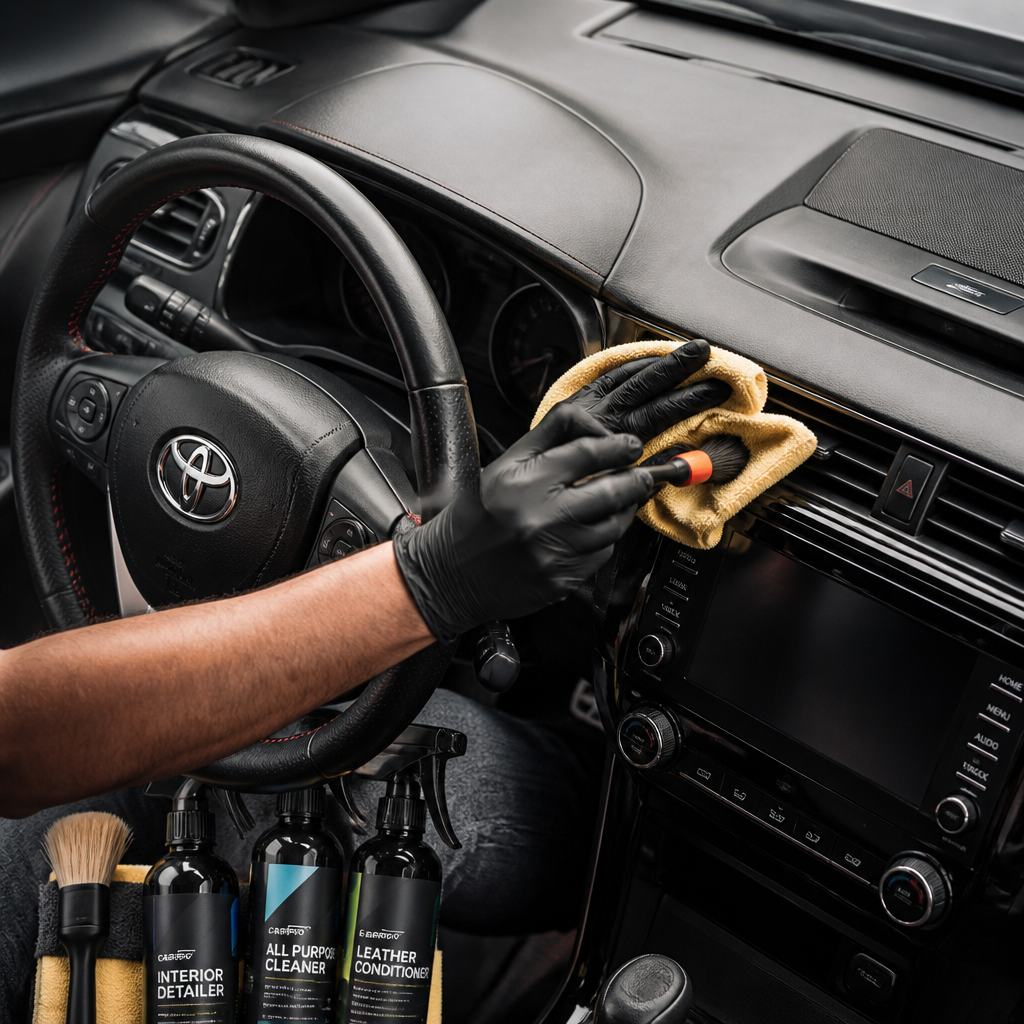
Once dry extraction is complete, attention shifts to hard surfaces: the dashboard, center console, door panels, air vents, steering wheel, seat adjustment controls, and any trim pieces. These surfaces collect a combination of skin oils, dust, food residue, and product buildup from previous cleaning attempts with the wrong materials.
Matching cleaners to surfaces
Not all interior surfaces are the same material, and using the wrong cleaner causes real damage. Harsh degreasers on soft-touch matte dashboards cause irreversible surface breakdown. Alcohol-based cleaners on natural leather dry it out. Silicone-heavy sprays on a steering wheel create a grip-reducing slick that is a genuine safety issue.
At Hersheys Detailing, each surface material is identified first, then cleaned with a product formulated for that specific substrate. Vent slats, which trap years of dust that ordinary wiping misses, are cleaned with detailing brushes sized to reach into each fin. The result is a dashboard that looks and feels genuinely clean, not just wiped down.
Interior glass is addressed in this stage as well. Window film, haze from off-gassing plastics, and finger smudges all reduce visibility. Streak-free glass cleaner applied with clean microfiber removes this buildup from every interior surface, including the windshield and rear window, which are almost always worse than the side glass.
The interior of a vehicle is the space its owner lives in. Cleaning the outside while neglecting the cabin is like washing the windows of a house and ignoring the rooms inside. The real condition of a vehicle is what you experience the moment you open the door.
Stage 3: Upholstery, Carpet Shampoo, and Hot Water Extraction
This is where most of the visible transformation happens and where the difference between a surface clean and a genuine deep clean becomes obvious. Hot water extraction, sometimes called steam cleaning in casual usage, injects hot water and cleaning solution into carpet and upholstery fibers, then immediately extracts the liquid along with loosened contaminants.
Fabric seats and carpets
High-quality shampoo is worked into the fabric first, breaking down staining compounds and lifting them toward the surface. The extractor then flushes the area and pulls everything out. Water marks, old food stains, and ground-in dirt that surface scrubbing cannot touch respond well to this method when done with proper equipment and technique.
A common outcome from this stage is that areas a client believed were permanently stained come back significantly cleaner or completely restored. The key is dwell time: the cleaning solution needs enough time to break down the stain before extraction. Rushing this step is what separates a mediocre result from a dramatic one.
Headliner cleaning
Headliners are rarely addressed in basic clean packages, which is a mistake. The headliner traps smoke residue, odor compounds, and fine dust. It is also a fragile surface that requires light touch and careful product selection to avoid saturating the adhesive backing, which causes sagging. Hersheys Detailing addresses the headliner with appropriate technique rather than skipping it to save time.
Pro tip: If your car has persistent odor that returns after being cleaned, the headliner is often the source. Odor compounds from smoke or food collect in the fabric and continue off-gassing. No amount of carpet shampooing eliminates an odor that originates above the passengers.
Stage 4: Leather Conditioning for Illinois Vehicles
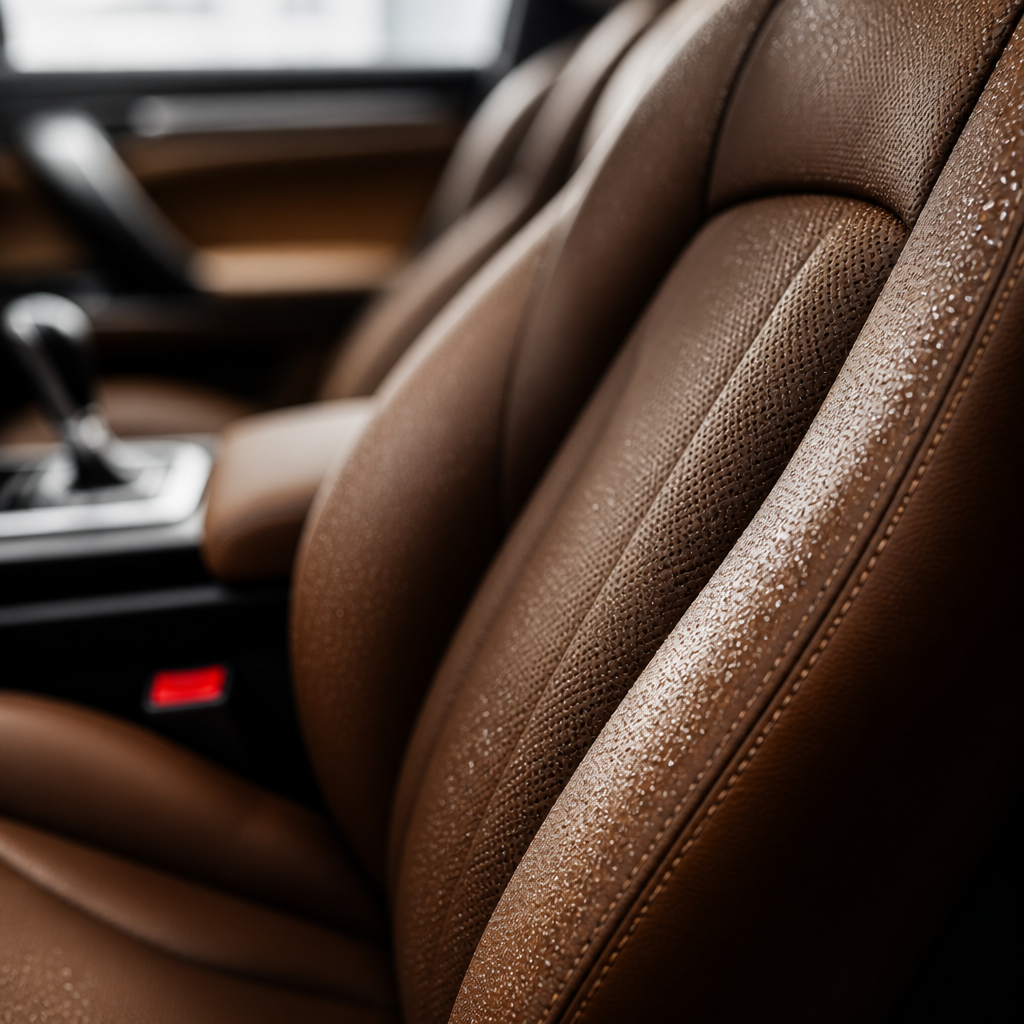
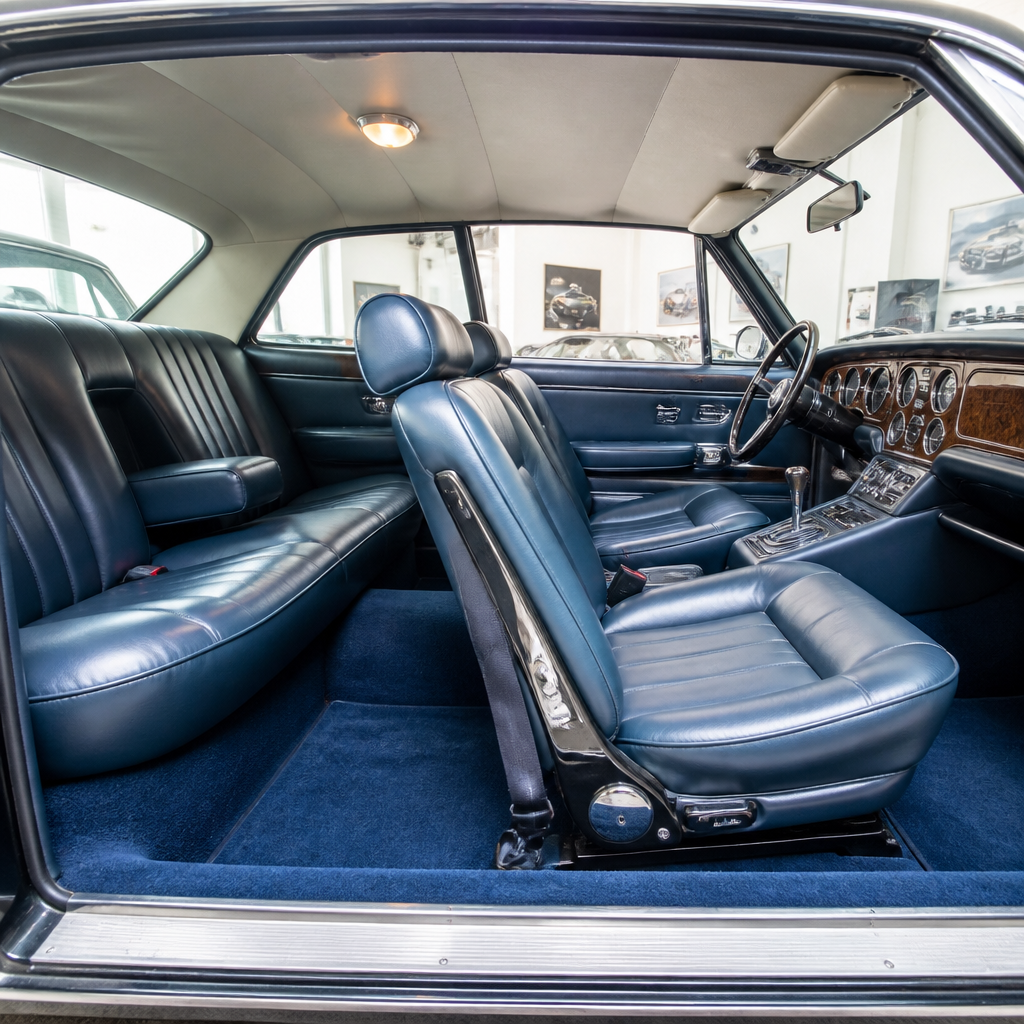
Leather interiors in Illinois vehicles face a harder cycle of stress than those in milder climates. Summer heat builds to extreme temperatures inside a parked car. Winter cold drops cabin temperatures below freezing overnight. This thermal cycling, combined with UV exposure, draws moisture out of leather and causes the progressive drying that leads to cracking and surface breakdown.
Cleaning before conditioning
Conditioning on top of dirty leather traps contaminants under the product and accelerates breakdown. The correct sequence is to clean the leather first using a specialized leather soap and soft brushes designed to lift grime from the surface grain without abrading the finish. Only after a clean, dry surface is achieved does conditioning take place.
A quality leather conditioner restores the moisture balance of the leather and creates a barrier against future drying. The result is seats that feel soft and supple rather than tight and brittle. This is one of the most tangible differences clients notice when they get back into the vehicle: the leather feels like new material rather than something that has spent years in a Chicago-area car.
Why conditioning frequency matters
A single conditioning treatment is not a permanent fix. For vehicles used daily in Illinois conditions, a professional leather conditioning service every six to twelve months maintains the material properly. Vehicles driven less frequently or garaged can often go longer between treatments, but going years without conditioning is what turns a premium leather interior into cracked, faded seats that cost thousands to replace.
Hersheys Detailing's maintenance programs are built to address this specific need, keeping leather interiors in the Chicago suburbs protected across seasonal changes rather than addressing damage after it has already occurred.
Stage 5: Odor Removal Done Properly
Odor removal is the most misunderstood part of interior detailing, both by clients and by many detailers. There is a clear distinction between masking a smell and actually eliminating it. Air fresheners and scented sprays accomplish the former. They do nothing to the compounds creating the odor. True odor elimination requires identifying and treating the source.
Source-based treatment
The most common odor sources in vehicles are: bacterial growth from spilled organic matter (food, drinks, pet accidents), mildew from trapped moisture (wet floor mats, wet upholstery not properly dried), and smoke residue embedded in soft surfaces including the headliner, seats, and carpet.
Each requires a different approach. Bacterial odors respond to enzymatic cleaners that break down the organic compounds feeding the bacteria. Mildew requires moisture extraction and an antimicrobial treatment. Smoke is the most stubborn category: it penetrates every soft surface and requires a thorough cleaning of all interior surfaces followed by an odor elimination treatment that reaches surfaces cleaning alone cannot address.
Ozone and odor eliminator treatments
For severe odors, particularly smoke and persistent pet smells, professional-grade odor elimination treatments work by chemically altering the odor-causing molecules rather than covering them. Unlike air fresheners that only mask smells temporarily, these treatments address the compounds at the source. This is why odor removal car detailing in the Chicago suburbs at a professional level produces results that hold, while a spray-and-hope approach fails within days.
Hersheys Detailing applies these treatments after thorough cleaning, because treatments applied over contaminated surfaces do not penetrate or perform effectively. The cleaning stage must come first. This sequencing is why the results are lasting rather than temporary.
Interior Detailing Approach Comparison
Not all interior cleaning services are equivalent. The following comparison illustrates what separates a genuine professional detail from alternatives that are often presented as equivalent options.
| Approach | What It Covers | What It Misses |
|---|---|---|
| DIY Home Clean | Visible surfaces, basic vacuuming with consumer equipment, wipe-down with household products | Deep carpet fibers, crevices, leather conditioning, headliner, genuine odor sources, correct product matching by surface type |
| Express Car Wash Interior Add-On | Surface vacuuming, quick wipe-down of dashboard, basic window cleaning | Upholstery extraction, leather treatment, odor elimination, vent cleaning, seat crevices, floor mat underside, headliner |
| Hersheys Detailing Professional Interior Detail | Multi-stage vacuuming, hot water extraction, leather cleaning and conditioning, hard surface deep clean with surface-matched products, headliner treatment, glass cleaning, odor elimination at the source, UV-protective dressings on trim | Nothing in the standard scope is skipped; condition-based add-ons (ozone treatment, carpet stain restoration) are offered when needed |
How Hersheys Detailing Serves Carol Stream, Bloomingdale, and Wheaton
Hersheys Detailing is based in Glendale Heights and serves clients across the DuPage County suburbs including Carol Stream, Bloomingdale, and Wheaton. These communities share a common climate reality: harsh winters with road salt, significant temperature swings across seasons, and vehicle interiors that accumulate real wear in ways that warmer climates do not experience at the same rate.
The business operates with a clear positioning: no production-line volume, no cutting corners to push cars through faster. With 500+ vehicles detailed over seven years, the process is refined, not rushed. Clients bringing in a luxury or high-end vehicle are not served by a shop that treats every car the same regardless of material or condition. Deep interior cleaning in Carol Stream and the surrounding suburbs at the Hersheys Detailing standard means every stage is completed before the next one starts, and the result is inspected before the vehicle is returned.
For clients interested in protecting their vehicle investment long-term, Hersheys Detailing's maintenance programs pair interior care with exterior protection services, including their professional ceramic coatings, to give the vehicle comprehensive protection inside and out. A well-maintained interior combined with protected paint and exterior surfaces is the most effective way to preserve a vehicle's condition and value over multiple years of Illinois driving.
Clients from Bloomingdale looking for interior detailing near Bloomingdale IL, or Wheaton residents searching for leather conditioning and odor removal services, do not need to travel to Chicago proper for professional-grade results. Hersheys Detailing provides that standard locally, without the overhead or impersonal service that comes with larger-scale operations.
Frequently Asked Questions
How long does a professional interior detail take?
A thorough professional interior detail typically takes two to four hours depending on the vehicle's size and its current condition. Vehicles with heavy staining, pet hair, or smoke odor require more time because each stage demands additional attention. Hersheys Detailing does not rush this timeline, because cutting time means cutting stages, and cutting stages means a result that does not hold up.
Is leather conditioning included in a standard interior detail?
At Hersheys Detailing, leather cleaning and conditioning are part of the interior detail process for vehicles with leather seating. This is not a universal standard across detailing shops, so it is worth confirming what is included when comparing services. Some shops charge separately for conditioning or omit it entirely from their base package.
How often should I get my car's interior professionally detailed?
For vehicles driven daily in the Chicago suburbs, a professional interior detail once or twice per year is a practical maintenance schedule. Vehicles with children, pets, or frequent food and drink consumption benefit from the higher frequency. Hersheys Detailing's maintenance programs are designed to make regular professional care straightforward and consistent rather than reactive.
Can professional detailing actually remove smoke smell from a car?
Yes, but it requires a multi-step approach: thorough cleaning of all soft surfaces followed by a professional odor elimination treatment that reaches embedded smoke compounds. The cleaning must come before the odor treatment for either step to work properly. A smoke odor that has been in a vehicle for years requires more treatment time than a recent exposure, but it can be eliminated to a professional standard in most cases.
What is the difference between interior detailing and a car wash interior clean?
A car wash interior clean is a surface-level service: a quick vacuum and a wipe-down of visible surfaces. Interior detailing is a systematic, multi-stage process that includes hot water extraction of carpets and upholstery, leather treatment, crevice cleaning, headliner attention, glass cleaning, and odor elimination. The results and the longevity of those results are not comparable.
Why does my car smell again a few days after being cleaned?
The odor source was not eliminated, only temporarily suppressed. This happens when cleaning addresses the visible surface but not the embedded contamination beneath it, or when an air freshener is used instead of a genuine odor treatment. At Hersheys Detailing, odor removal targets the source compounds directly. If an odor comes from mildew in the carpet backing or smoke residue in the headliner, that specific surface is treated rather than masked.
Have you had a professional interior detail done recently, and what made the biggest difference in your cabin? Share your experience in the comments below.